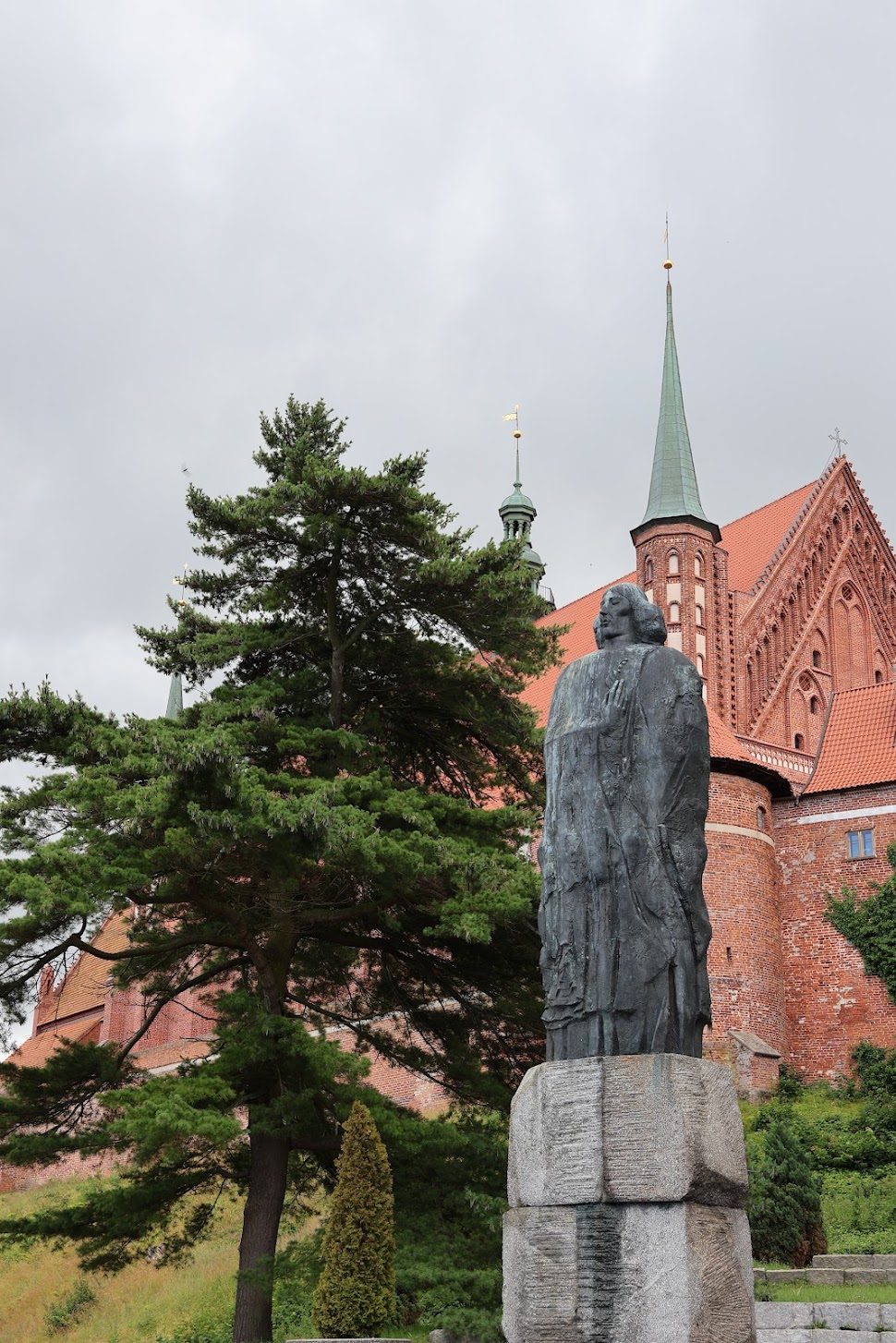

What Is the Frombork Cathedral Mystery?
Archaeologists are currently excavating beneath the floor of Frombork Cathedral in Warmia, northern Poland, searching for historical traces connected with Nicolaus Copernicus. The work may reveal new information about the burial site and the layered past of one of the region's most significant heritage buildings.
I have been to Frombork many times. I know the hill, the cathedral walls, the way the light falls across the Vistula Lagoon on a clear afternoon. Each visit feels complete in itself. But when I read that researchers were working beneath the floor — methodically lifting what generations assumed was settled ground — something shifted. The place I thought I knew had just gotten more interesting.
A News Story That Opens a Door
Some news passes and leaves no trace. This one opened something. Archaeological work inside Frombork Cathedral, reported by Gazeta Olsztyńska, centers on the search for traces connected with Copernicus — one of the most recognized names in European science and one of Warmia's most important historical figures.
Copernicus spent many years in Frombork as a canon and scholar. The cathedral complex on the hill was the setting for some of his most significant intellectual work. When researchers begin excavating beneath that same floor, the stakes are not small. The findings could deepen or revise what is known about where he was buried and what layers of history the building still holds.
That creates a very particular kind of tension. Not spectacle. Closer to the feeling you get reading a long story when a single sentence changes everything you understood before it.
He did not rise alone. The uncle who paid for his schooling and brought him into the Church is a story in itself, and I tell it in the life of Bishop Watzenrode. And in Olsztyn, the castle where Copernicus lived and drew an astronomical table on the cloister wall now houses the Museum of Warmia and Masuria.
Why Hidden Spaces Beneath Old Churches Hold Such Power
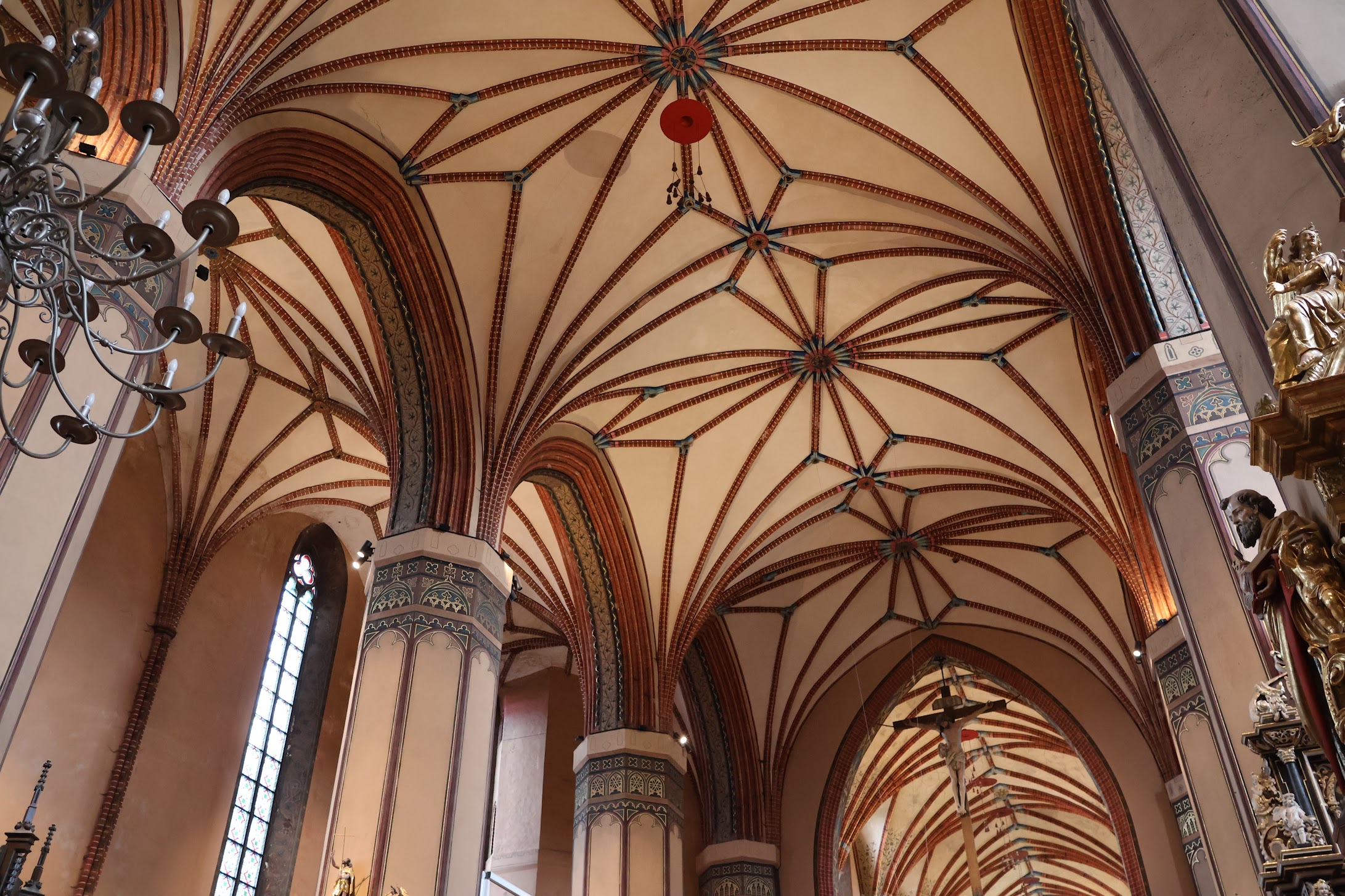
There is something deeply human about floors. They imply stability. They suggest the visible layer has already been fully understood. The moment archaeologists begin working below the surface, the emotional logic of a place changes completely.
Frombork Cathedral already carried that gravity — its architecture, its hilltop position, its connection to the man who changed how humans understand the cosmos. The excavation adds a second layer. Suddenly the building is not only about what you can see. It is about what might still be there, waiting beneath the stones.
Visitors respond to this. They slow down. They look at the floor differently. Side chapels feel more charged. Corridors feel less like decoration and more like passages through time. Even people who know very little about archaeology understand the signal: if experts are still searching here, this place has not finished speaking.
The Historical Pull of Frombork
Frombork does not need manufactured drama. The real history is already extraordinary enough.
The town sits at the edge of the Vistula Lagoon in northern Warmia. The cathedral complex rises above the water on a fortified hill — a place built for permanence, for long observation, for the kind of thinking that takes years. Copernicus spent decades here. The setting shaped his work as much as his intellect did.
What I find most compelling about Frombork is the way large history and intimate scale live side by side. On one level it belongs to the history of science, religion, and medieval administration. On another, it is a small town you can walk across in twenty minutes. The streets are quiet. The light shifts slowly. The lagoon stretches out to the north. You feel the weight of time without being overwhelmed by it.
Many international readers know the name Copernicus. Far fewer know Frombork. That gap is exactly why this story matters for slow travelers. The excavation gives people a direct, living reason to connect the famous name with the real place — and to visit while the story is still unfolding.
Frombork as a Gateway into Warmia

Stories like this do something that travel writing often misses. They pull attention toward the wider region, not just the headline destination.
Warmia is a land of red-brick Gothic heritage, forest roads, quiet lakes, old chapels, and layered histories that reveal themselves best at a slower pace. Frombork sits at the western edge of the region, near the lagoon. From there, the roads lead into a landscape that most international travelers have never seen — and that rewards travel that takes its time. Frombork is one stop on a much longer list of places in Poland worth going slowly for.
I have lived in this region for over a decade. I earned a licensed guide qualification here. And I still find new things on familiar roads. That is the nature of Warmia. It does not announce itself. It opens slowly to people who are willing to stay longer than a single afternoon. You can read more about slow travel in Warmia and Masuria here.
Frombork works best the same way. Arrive fast and it feels small. Give it time and the cathedral gains mood, the hill gains silence, the lagoon light changes hour by hour. The town earns its weight when you stop rushing through it.
What This Excavation Means for Visitors Right Now
An active archaeological excavation changes how a place is read. Before the news, visitors may have approached the cathedral mainly through architecture, religion, or the biography of Copernicus. After the news, the building becomes a living question.
The floor becomes part of the narrative. Every threshold, every side chapel carries a new sense of possibility. Visitors stay longer. They look down as much as up. They leave with the rare feeling that they arrived somewhere while the story was still being written.
That is uncommon in travel. Most destinations offer a finished version of themselves. Frombork, right now, does not.
A Good Moment to Go
Some destinations are best visited after the crowd arrives. Others are best visited while the story is still unfolding. Frombork belongs firmly in the second category right now.
The excavation adds immediacy. The cathedral feels active in a way it has not felt in years. The wider region of Warmia surrounds it with the kind of quiet roads, lake light, and unhurried pace that make a journey feel complete rather than rushed.
Come for the cathedral. Stay for Warmia. Walk the hill in the early morning before anyone else arrives. Stand inside the nave and notice how differently the floor feels when you know what is happening beneath it. Then take the slower roads east and let the landscape add its own layers to the story.
If you want to experience Frombork and Warmia with more depth and real local context, I offer licensed guide experiences across the region. Get in touch here — or explore more Warmia travel stories on Slovlog.
Frequently Asked Questions
What is the Frombork cathedral mystery?
Archaeologists are conducting excavations beneath the floor of Frombork Cathedral in Warmia, northern Poland. The work is connected with the search for historical traces linked to Nicolaus Copernicus and the deeper structural history of the cathedral complex.
Why is this discovery significant?
Frombork Cathedral is one of the most historically layered sites in the region. Any findings connected with Copernicus — who spent decades there as a canon and scholar — could expand or revise what is known about the building's earlier phases and his burial place.
Why should travelers care about this excavation?
An active excavation changes how visitors experience a place. The floor becomes part of the story. The building gains a new layer of tension and curiosity that rewards slower, more attentive visits.
Where exactly is Frombork?
Frombork is a small town in northern Poland, in the Warmia region, situated near the Vistula Lagoon. It is roughly 90 kilometres northwest of Olsztyn.
Is Frombork worth visiting beyond the Copernicus connection?
Yes. The cathedral complex, the hilltop setting, the lagoon views, and the surrounding Warmian landscape make Frombork a rewarding destination for cultural travelers who prefer depth over speed.
How does Frombork connect to the wider Warmia region?
Frombork sits at the western edge of Warmia and works best as a starting point for a deeper journey into the region — through red-brick Gothic towns, forest lakes, and quieter roads that reveal themselves slowly.
How can I experience Frombork and Warmia more deeply?
The best approach is to give the region more time, follow local stories through Slovlog.in, and explore the area with a licensed local guide who can connect the cathedral history to the broader Warmian landscape.