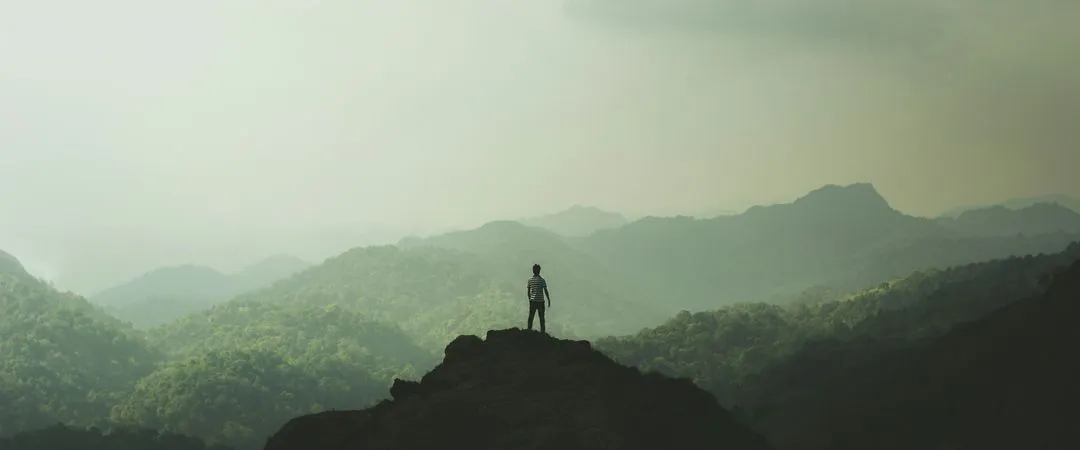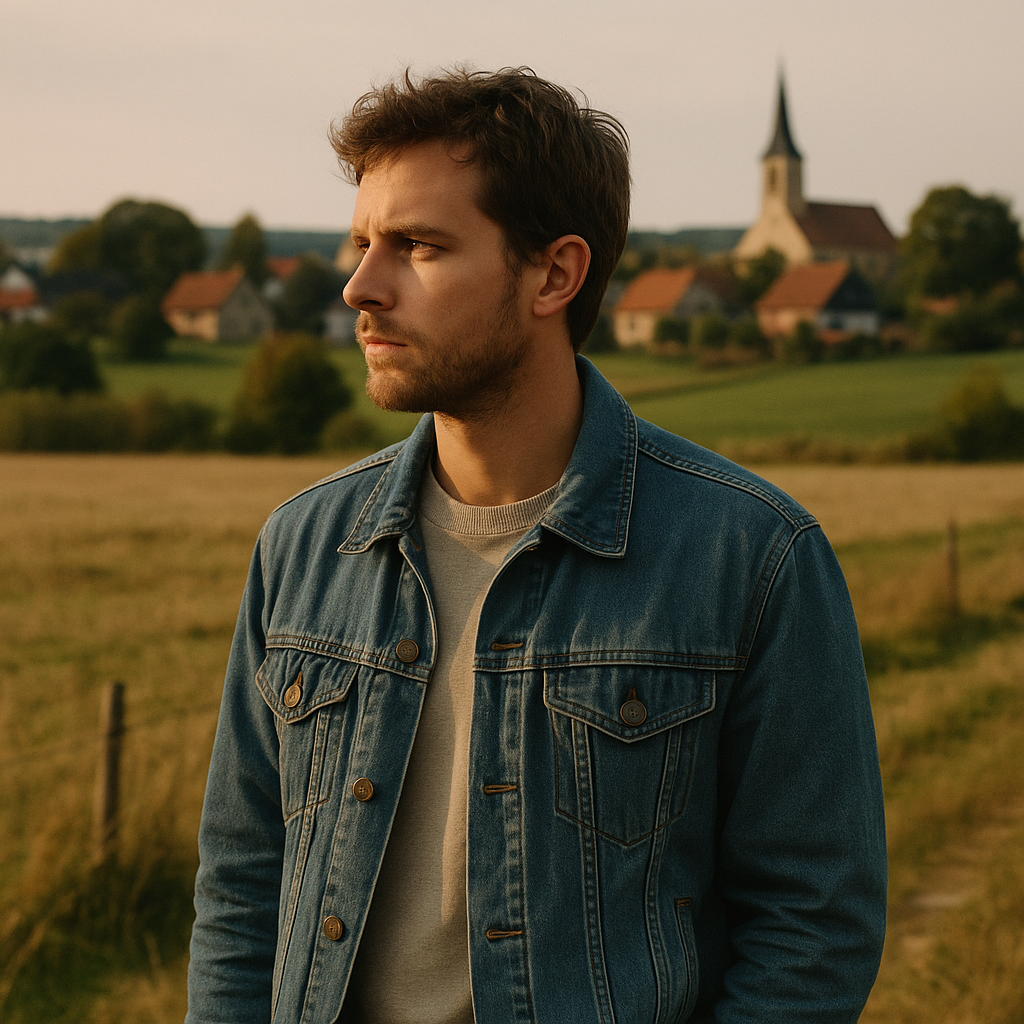
"Move to countryside marry a billionaire" is everywhere right now – a trending countryside drama that taps into something deeper: the desire to step out of the loud, busy city script and ask, “Is this really my life, or just my default?”
The fantasy vs. what you actually want
These stories work because they exaggerate a real longing: less noise, more space, cleaner air, simpler problems, clearer priorities. Underneath the drama, many people are just tired of rushing, scrolling, commuting, and feeling like life is one endless notification loop.
But the important part is this: not everyone is meant for big‑city life, and not everyone is meant for the countryside. The goal is not to copy a fantasy, but to listen to what it wakes up in you. Are you craving silence, nature, a slower rhythm – or are you craving more meaning and boundaries in the life you already have?
One season in the countryside as an experiment
Instead of “I must escape forever,” think in terms of “one season.” Move to the countryside for a defined period and treat it as a real‑life experiment, not a dramatic life sentence.
That might look like:
- Renting a place in a village or small town with decent internet, basic services, and connection to a larger town.
- Keeping your work and identity, but changing the background: same projects, different rhythm, fewer distractions.
- Tracking how you actually feel: sleep, energy, focus, creativity, social life, money, stress. No filters, just honest feedback from your own life.
At the end of that season, the question is not “Was it perfect?” but “Was this closer to my natural pace than my current city life?” A “no” is as valuable as a “yes,” because now you are choosing with experience, not just with FOMO.
Feeling that quiet pull toward a slower, more intentional life but not sure where to start? Discover Slow Living: Your Escape Plan is a hands‑on workbook that helps you untangle your current life, clarify what you really want, and test your own version of “move to countryside” (or just move to a calmer rhythm) step by step — you can find it here.
Slow life is not “boring countryside”
There is a stubborn myth that slow living means moving to the countryside and being bored out of your mind, doing nothing all day. In reality, slow life is not about the quantity of activity, but the quality and pace of it.
You can:
- Live slowly in a city by protecting your attention: fewer late‑night emails, intentional social plans, daily walks or park time, phone‑free evenings.
- Live frantically in the countryside if you carry the same rushed mindset: overcommitting, multitasking, doom‑scrolling, saying yes to everything.
Geography can support slow living – nature, silence, fewer temptations – but it cannot do the inner work for you. Slowness is a practice you bring with you, whether your view is skyscrapers or fields.
What the countryside really gives (and takes)
When you strip away the romantic filter, countryside life has clear pros and cons.
Some real advantages:
- Cleaner air, more green space, and lower noise levels, which can ease stress and help your nervous system calm down.
- More space and privacy, often a stronger sense of local community and grounded daily routines.
- In many regions, lower housing costs and a chance to live with less financial pressure.
Some real trade‑offs:
- Fewer services and cultural options, longer trips for healthcare, shops, events, or friends.
- Potential loneliness or isolation if you are used to dense social networks and spontaneous meetups.
- Seasons shaping your days more: light, weather, and maintenance become part of your routine.
This is why “everyone should leave the city” is just as wrong as “everyone should stay in it.” Your work, social needs, personality, and stage of life all matter more than any trend.
How to try it without burning bridges
If all this countryside energy has you curious, you don’t have to go all‑in. You can try it in a way that is kind, reversible, and honest.
For example:
- Commit to a 3–6 month rental instead of buying property. Enough time to feel the rhythm, not enough to feel trapped.
- Keep city anchors: clients, hybrid work, coworking in the nearest town, or regular city visits so you do not feel cut off.
- Design your slow rituals on purpose: walks, cooking simple food, unhurried mornings, real evenings without a glowing screen, connecting with neighbors.
- Journal or track your feelings: what do you genuinely love, what do you tolerate, what do you miss, and what don’t you miss at all?
If you return to the city afterwards, you come back with clarity, not regret. If you stay longer or go hybrid (part city, part countryside), you are doing it with open eyes.
Not sure what you would actually miss, or what is draining you now? My free Attention Leak Audit is a quiet way to find out before you move anything.
If you would rather work through the decision on paper, Discover Slow Living: Your Escape Plan is a 50-page workbook of exercises, experiments and checklists. The price is $19 at the moment, down from $50.
You don’t need to pick a “team”
The most freeing mindset shift is this: you do not have to choose “city forever” or “countryside forever.” You can:
- Live in the city but build countryside‑style slowness into your days and weekends.
- Live in the countryside but plug into city energy when you need culture, events, people, or professional opportunities.
- Design a hybrid life in a small town or on the edge of a city, borrowing what you like from both worlds.
The trend will move on, but the real question stays: in which environment can you live at a pace that feels human, present, and true to you? That answer will not come from a screen – it will come from trying, observing, and trusting your own experience, even if it leads you somewhere quieter, louder, or completely in between.
If you decide to stay where you are for now, slow living in the city is written for you. And if the decision is being made for you, with a job ending, see what to do when the job is gone. To see what a season in my corner of Poland looks like, start with the Masuria slow travel guide.
If this article stirred something in you and you want a practical roadmap instead of just inspiration, Discover Slow Living: Your Escape Plan was created exactly for that — 50 pages of exercises, experiments, and checklists to help you design and test your own slower life, without burning your bridges. Get your copy here and turn the “maybe one day” feeling into your next concrete step.
FAQ
1. Do I need to move to the countryside to live a slow life?
No. Slow living is more about your pace, priorities, and boundaries than your address; you can live slowly in a city or in the countryside if you design your days intentionally.
2. Why is “move to countryside marry a billionaire” such a popular trend now?
It taps into a shared desire to escape stress, noise, and burnout, and imagine a simpler, more grounded life with more space, nature, and emotional breathing room.
3. Is it realistic to test countryside life for just one season?
Yes. Renting for 3–6 months lets you experience daily rural life, including the pros and cons, without burning bridges or making a permanent decision.
4. What are the main benefits of moving to the countryside, even temporarily?
Many people notice more quiet, more space, more contact with nature, and often less pressure to constantly hustle or consume.
5. What are the downsides of countryside life I should be aware of?
You may face fewer services, longer travel times, less spontaneous social life, and sometimes feelings of isolation if you are used to urban density.
6. How can I bring “countryside energy” into my city life?
You can create it through daily walks, phone‑free evenings, simpler routines, intentional social plans, and regular time in parks or nearby nature.
7. How do I know if countryside living is really for me?
Treat it like an experiment: try one season, track how you feel (energy, mood, social needs, work), and then decide based on your own lived experience, not on trends or fantasies.