Slow Living vs. Minimalism vs. Mindfulness, In Short
Slow living is about the pace and intention of your whole life. Minimalism is about owning and keeping less. Mindfulness is about paying full attention to the present moment. They overlap and support each other, but they answer three different questions: how fast you live, how much you keep, and how present you are.
I use all three. For a long time I couldn't have told you where one ended and the next began, and that fuzziness kept me chasing the wrong fixes. So here's the clean version, the one I wish I'd had when I started.
What Each One Actually Is
Slow living
The widest of the three. Slow living asks how fast you move through your days and pushes you to choose intention over reaction. It touches everything: work, food, travel, rest, relationships. It grew out of the Slow Food movement in 1980s Italy and spread to nearly every corner of life. If you want the full picture, I've written about what slow living is. The shorthand: it's a lifestyle built around pace.
Minimalism
Narrower and more concrete. Minimalism is the practice of owning less so that what remains can matter more. Fewer clothes, fewer commitments, less visual noise in your home. At its best it's freeing, since everything you own is also something you maintain, store and think about. At its worst it becomes a competitive sport about who can own the fewest spoons. Used well, it's a tool, and a good one. If you want to try it, start with decluttering your life and mind or the longer case for minimalist, sustainable living.
Mindfulness
The most internal of the three. Mindfulness is the skill of bringing your attention fully to the present, without the constant narration of past and future running in the background. It has deep roots in Buddhist practice and a large modern evidence base in psychology for reducing stress. You can practise it through meditation, or simply by doing one thing at a time and actually noticing it.
Where They Overlap
All three share one root, and once you see it the confusion makes sense. The root is intention. Each one is a rebellion against living on autopilot, just aimed at a different target. Minimalism aims it at your stuff. Mindfulness aims it at your attention. Slow living aims it at your time. Pull any thread and you tend to tug the others along. Declutter your home and your days often feel calmer. Slow your pace and you naturally become more present. They're three doors into the same quiet room.
How to Combine Them
Most people don't want to pick one. They want a life that's unhurried, uncluttered and present, and that's entirely possible. Here's the simplest way I've found to layer them without it becoming a project.
- Let slow living set the direction. Decide the pace you want first. It's the frame the other two hang inside.
- Use minimalism to clear the path. Remove the possessions and commitments that make a slow pace impossible. Less to manage means more room to breathe.
- Use mindfulness to actually inhabit it. A slow, uncluttered life is wasted if your mind is still three days ahead. Presence is what lets you feel the calm you've built.
That's the stack. Pace, space, presence. You don't need to master all three at once. Pull whichever thread is loosest in your life right now.
How I Actually Use Minimalism
I'm not a strict minimalist. My shelves are full of books and I have no intention of thinning them. But years ago I did clear out most of what I owned, and I noticed something that surprised me. The decluttering itself changed very little. I felt tidier for a week, then normal again.
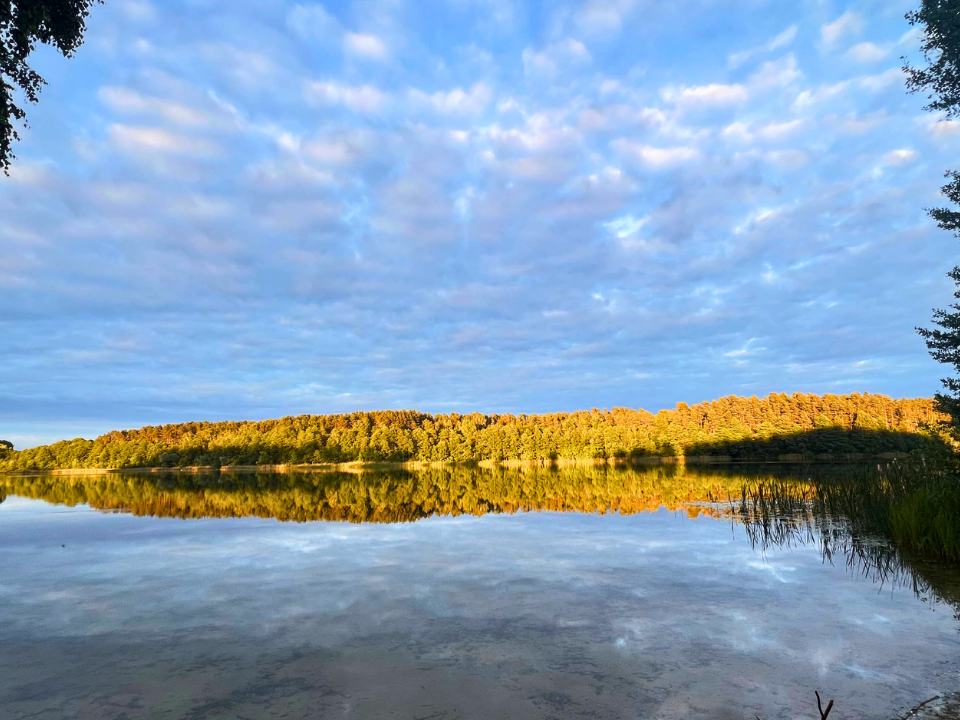
What changed my life was using that cleared space to slow down. With less to maintain, I had more hours and fewer decisions, and I spent the difference on long mornings by the lake and unhurried dinners. Minimalism, for me, was the doorway. Slow living was the room I actually wanted to live in. I keep just enough minimalism to keep the door open, and not an ounce more.
Which One Is Right for You?
A quick guide, depending on what's nagging at you most.
- Feel buried by stuff and clutter? Start with minimalism. The early wins are fast and visible.
- Feel scattered, anxious, never quite here? Start with mindfulness. Ten minutes a day will move the needle.
- Feel rushed, like life is a blur you can't slow? Start with slow living. It's the one that reshapes the whole tempo. Here's how to start.
Frequently Asked Questions
Is minimalism part of slow living?
Minimalism can support slow living, but it isn't a required part of it. Slow living is about the pace and intention of your life, while minimalism is about owning less. Many people use a little minimalism to make a slow life easier to maintain, yet you can live slowly in a full, well-loved home.
Can you be a minimalist without living slowly?
Yes. Plenty of people own very little and still live at a frantic pace, packing their light, uncluttered lives with back-to-back commitments. Minimalism clears physical and mental space. What you do with that space, fill it or protect it, is a separate choice that slow living governs.
Is mindfulness the same as slow living?
No. Mindfulness is a practice of present-moment attention, often through meditation. Slow living is a broader lifestyle about the pace of your days. Mindfulness can be one daily habit within a slow life, but slow living also covers how you work, eat, travel and rest, which reaches well beyond moment-to-moment awareness.
Which should I try first?
Begin with whatever problem is loudest. Clutter points to minimalism, a scattered mind points to mindfulness, and a life that feels rushed points to slow living. All three reinforce each other, so starting anywhere tends to make the others easier.
A Last Thought From Slovlog
Don't get too precious about the labels. They're three lenses on the same wish, which is to live deliberately in a world that rewards distraction. Use whichever lens helps you see clearly today, and swap it freely when it stops being useful.
If you'd like a calm way to start, my free Attention Leak Audit shows where your attention goes in an ordinary week. If you want all three lenses in one guided path, Discover Slow Living: Your Escape Plan is a 50-page workbook of exercises, experiments and checklists.